WHO IS IT FOR?
Is this relevant to your operation?
For manufacturing operations and those responsible for equipment, maintenance and workplace safety.
GRO / 03
Where do equipment condition, protective measures and actual working practices meet? GRO Risk™ examines selected production areas, documents hazards and helps those responsible prioritise practical measures.
Prepare an email enquiry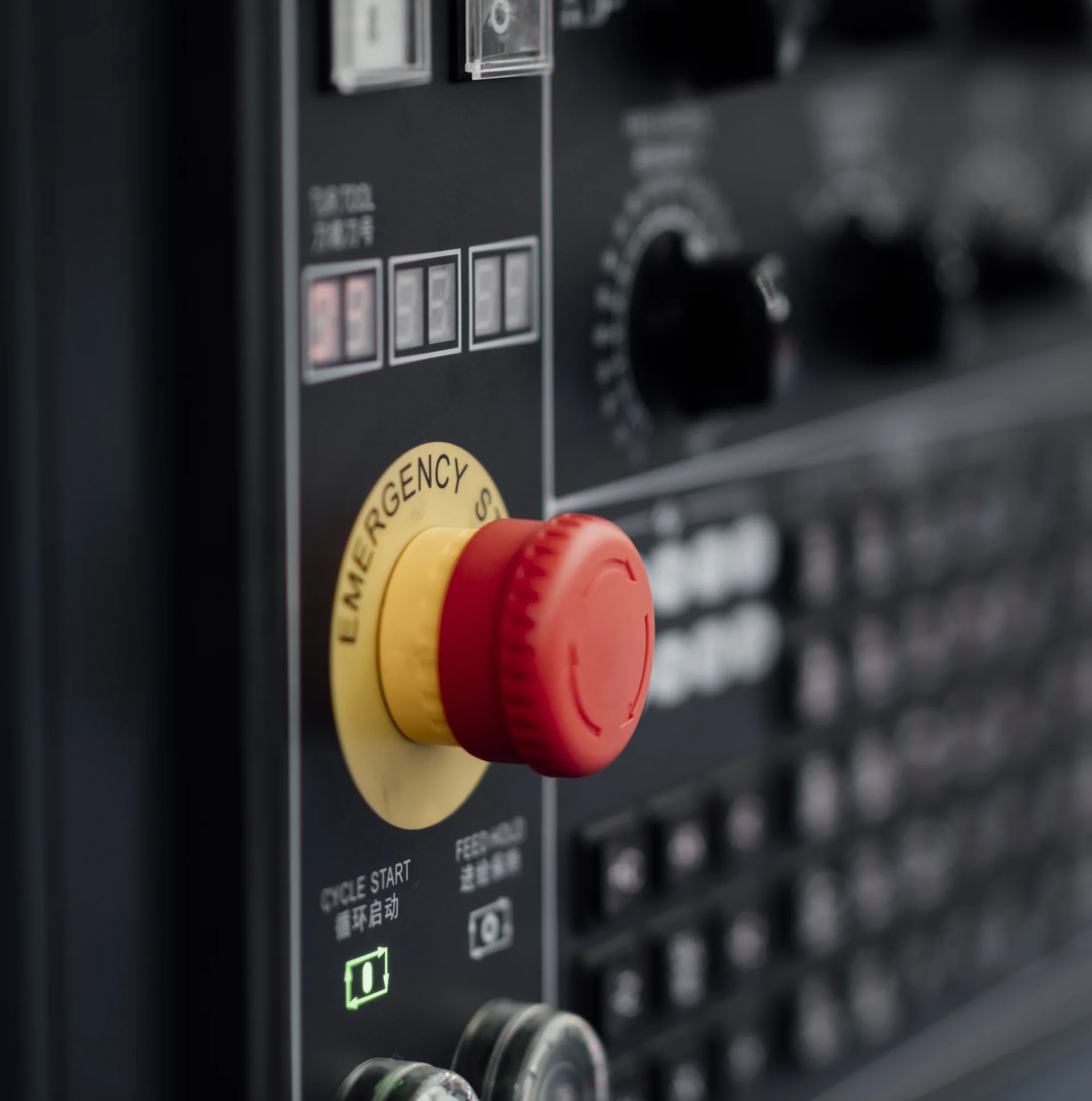
STARTING SITUATION
WHO IS IT FOR?
For manufacturing operations and those responsible for equipment, maintenance and workplace safety.
TYPICAL SITUATIONS
WHY GRO
Over many years of work in manufacturing plants, we have witnessed and been involved in unexpected events and accidents. We know how people react in those moments: some panic, some act as if nothing has happened, others freeze with fear. We know the difference between what procedures say should happen and what actually happens in the first minutes.
We also know how a team’s attitude changes when something truly serious happens – and how quickly the search for someone to blame begins, often aimed at the employer. That is why GRO Risk™ combines hazard assessment with practical preparation of people: clear roles, simple response routes and exercises at the actual workstation.
Panic, denial or paralysis: preparation takes into account how people actually behave under stress.
We check whether emergency stops, routes, information and roles still work when every moment counts.
Trust, motivation and responsibility: it is better to take care of them before an accident happens.
AT THE OVEN. ON THE LINE. IN THE PLANT.
Examine equipment, protective measures and working practices for hazards. Receive documented findings, priorities and an action plan.
Record production processes, hall layout, equipment types, hazardous substances and known incidents. Select higher-risk areas such as ovens, washing systems, chemical stores and poorly visible or ventilated zones. Clarify contacts, available documents and required specialist responsibilities.
Review equipment condition, guards, barriers, sensors, ventilation and visible fire-protection equipment within the agreed scope. Consider access to emergency stops, extinguishers and first aid. Compare exits, chemical markings and traffic routes with actual use.
Compare procedures with real work: informal shortcuts, maintenance access, unclear responsibilities and repeated deviations. Involve operators, maintenance, shift leaders and safety personnel. Connect technical risks with organisational causes.
Record findings with photographs, descriptions and locations and mark them on production layouts. Distinguish critical, serious and medium risks, considering people, equipment and production continuity. Review classification and urgency with those responsible.
Develop technical and organisational actions: covers, barriers and interlocks, better markings, orderly access and response instructions. Structure immediate, urgent and longer-term tasks with responsibilities and dates. Identify necessary specialist tests and technical modifications.
Review identified risks with operators, maintenance and safety personnel. Practise response scenarios, flowcharts and checklists. Integrate daily prevention and clear deviation reporting into the work.
After implementation, recheck the agreed actions and record open items and remaining work. Structure documentation for internal checks and preparation for customer or external audits. Plan periodic follow-ups and additional Clean, Check360, System or Restart tasks as required.
GRO documents and prioritises findings. The client receives a working basis for its responsible personnel.
GRO can additionally support agreed technical and organisational actions, train the team and review implementation.
Recurring follow-ups, checklist updates and review of new equipment or changed workflows are agreed separately.
GRO / HANDOVER
You receive a visual, technically traceable risk picture and a practical action plan. Following supported implementation, an effectiveness check records the reviewed condition and remaining tasks.
No. Technical, organisational, chemical and safety factors and their effects on quality and operating continuity are considered together. The investigated areas are defined in the assignment.
No. It supports plant personnel and inspection preparation. Legally required specialist checks, authorisations and certification are separate tasks.
FROM FINDINGS TO HANDOVER
Agree areas, available documentation and contacts. Establish which questions the assessment should answer.
Review the selected equipment and tasks with those responsible. Record hazards and assess findings.
Review priorities and the action plan. Agree a separate scope for implementation support or another assessment.
WHAT STAYS WITH YOUR TEAM
A documented overview of findings, prioritised risks and an action plan for the people responsible within the operation.
GRO Risk™
Tell us which equipment, tasks or hazards concern you and what documentation is already available.